
Dry Needling: A Unique Approach to Pain Management
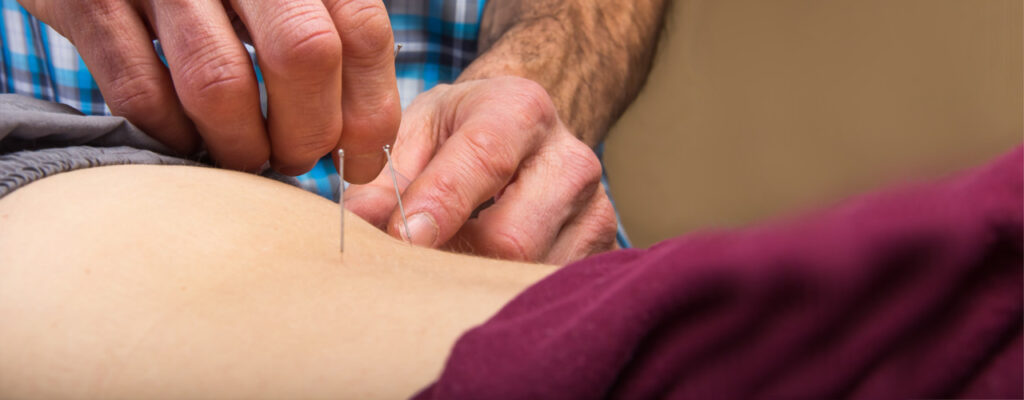
Do you struggle with headaches or joint pain? Are you rehabilitating after an injury and looking for an alternative to pain medication? You might consider dry needling, an evidence-based technique for managing different types of pain.
You may be familiar with acupuncture, a type of Chinese medicine that involves inserting long, thin needles into key points throughout the body. Dry needling uses a similar technique but has a different underlying philosophy rooted in medical research.
At Advance Orthopedic and Sports Therapy, we incorporate dry needling into a comprehensive treatment plan. When used alongside physical therapy interventions such as therapeutic exercise, dry needling helps you find lasting pain relief.
Keep reading to learn more about how dry needling works and when we utilize it. You can also request an appointment at our Tewksbury clinic for more personalized information.
How Does Dry Needling Work?
Dry needling works by creating a local inflammatory response wherever the needle is inserted. This inflammatory response increases blood flow and promotes healing around the area that was needled. You can see this response instantly as redness appears around the needle which is a sign that blood flow is increasing to the area. This response is great for acute and chronic injuries including tendinitis and muscle strains as dry needling helps the tissue to heal faster and help patients get back to their activities sooner.
Dry needling also works by stimulating signals in your body that block pain and help to promote relaxation and stretching of tissue. It can also alleviate trigger points in your body that cause pain and help to improve flexibility and joint range of motion.
During your session, our physical therapist will identify the tissues that are causing your symptoms. Then, they’ll insert a thin, sterile needle into these areas, helping you to find lasting pain relief.
What Conditions Can Dry Needling Help With?
Dry needling can help manage pain stemming from a variety of causes. We always begin our sessions with a comprehensive evaluation to ensure we understand the root of your pain. That way, we know we’re providing you with the best treatment options–including dry needling.
We often incorporate dry needling into treatment plans for the following conditions:
- Joint Pain: Struggling with pain in your neck, back, knees, hips, or elsewhere? Dry needling sessions can help reduce your pain so you can move more easily, allowing you to complete prescribed exercises and get active. Dry needling is also appropriate for pain brought on by conditions like osteoarthritis.
- Soft Tissue Injuries: Dry needling is also effective pain management for various soft tissue injuries–that is, injuries that affect your muscles, tendons, or ligaments. These injuries can develop after a sudden trauma, but many of them are overuse injuries–injuries that develop due to repeated movements and awkward postures.
- Chronic Pain Conditions: We already mentioned osteoarthritis, but dry needling is also effective for chronic pain conditions like fibromyalgia or myofascial pain syndrome.
- Headaches: Dry needling is an effective treatment for headaches that stem from muscle restriction.
What To Expect During a Dry Needling Session
Dry needling is a straightforward procedure that requires little to no preparation on your part. Sessions typically last around 30 minutes.
During your session, our therapist will locate any trigger points or find the best insertion points for your needs.
Next, we’ll carefully insert the needle into the tissue. You may feel some discomfort, especially if this area is painful to the touch, although our therapists will work to make the process as comfortable as possible for you.
Some people experience immediate pain relief after their dry needling session. Others may need a few sessions before they start to see results.
It’s also important to remember that we incorporate dry needling into a broader treatment plan. It’s imperative that you keep moving and/or stretching after a session. Your therapists will provide a list of appropriate exercises that you can perform under supervision in the clinic and at home.
Ready to experience the benefits of dry needling for yourself? Request an initial consultation with Advance Orthopedic and Sports Therapy today!